
Why clean, home‑grown power is the only route to lasting energy resilience
Chris Norbury, CEO of E.ON UK, has written in Utility Week with his reflections on the impact of the conflict in the Middle East, and how the UK can better its energy resilience while making the system fairer and fit for the future.
Global events have shown how quickly energy markets can shift. As the effects of conflict in the Middle East reach the UK, they create challenges for households and businesses. And while the long-term impacts remain uncertain, it highlights exposure to volatile fossil fuels and the need for a fair and clean energy system.
That exposure matters because gas sets the marginal price of electricity and, as the principal way we heat homes, price spikes hit hard. But the way these pressures translate into UK energy prices is not inevitable. It reflects choices about how our system is designed and the legacy of past decisions.
Lasting affordability and resilience will only come from clean, homegrown power and a modernised, transparent and secure energy system that helps people manage when and how they use energy.
Help households generate and store their own power
The fastest route to resilience is giving people greater control. Solar panels, home batteries and innovative tariffs allow households to generate electricity, store it when it’s cheaper and draw on it during peak periods. It’s this flexibility that delivers lasting savings.
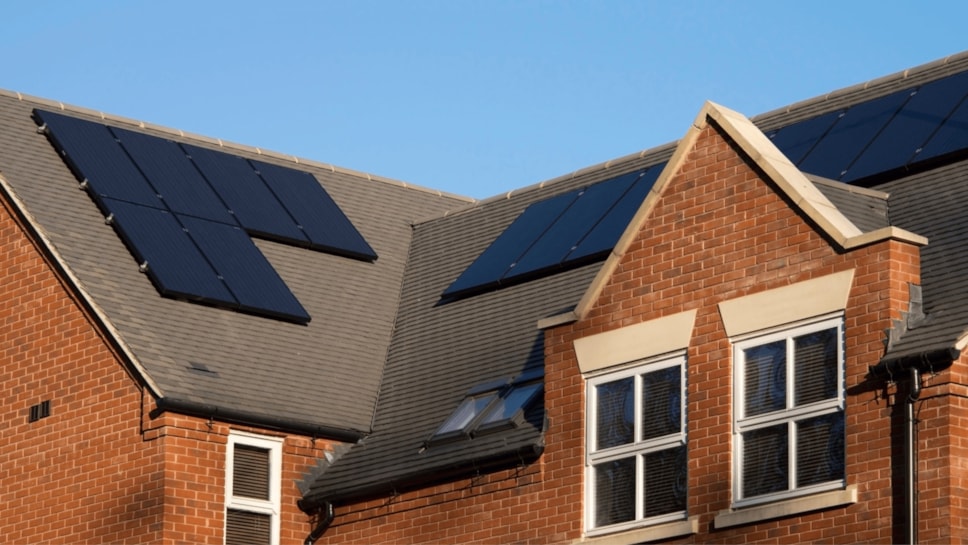
Solar is now the most wanted low carbon technology among people buying new build homes, reflecting a strong desire for energy independence. With the Future Homes Standard now published, there is a clear expectation that most new build homes in England will include on site renewable generation, which can help households make the most of technologies such as home batteries and heat pumps, and deliver lower bills both now and in the future.
This flexible approach is proven. In Coventry, combining insulation, battery storage and Time of Use tariffs has cut bills by around £250 a year on average. Scaled up, these solutions could save fuel-poor households in the UK around £753m a year on their energy bills and ease pressure on the grid.
Accelerate the policy backbone
£15bn of investment through the Warm Homes Plan provides a foundation, and removing £150 of policy costs is welcome. But non-commodity costs remain a major pressure on bills. While these investments are essential, recovering them in the same way means further strain is continued.
People need to trust that what they pay reflects what they use. Today, too much of the average bill reflects system design rather than consumption. We need a review of how costs are allocated and a more transparent approach to recovery.
Make the system fairer and fit for the future
Modernising how we pay for the system is only part of the solution. As technologies like solar, heat pumps, electric vehicles and smart tariffs scale, the way we generate and use electricity will change fundamentally.
A modern system should support that shift by breaking the link between gas prices and electricity, including approaches where strategic gas reserves act as back up rather than setting the wholesale price.
Fairness first
As the system evolves, targeted support will remain essential. Some households face persistent affordability challenges, and protecting them requires more than bill reductions. It calls for a smarter approach to identifying who needs help and when, using better data sharing and clear criteria so support reaches those who need it most.
Fairness also means ensuring people can access smart energy solutions. Technologies like batteries or heat pumps need flexible funding options that open the door to long-term savings for everyone.
Uncertainty in global energy markets may be unavoidable. High, unstable bills are not. If we accelerate homegrown clean power and help households generate, store and flex their energy use, we can build a system that is clean, resilient and affordable. The best time to make energy work for everyone is now.
This opinion piece was first published in Utility Week.
Legal information
The information (including any forecasts or projections) contained in these press releases (the "Information") reflects the views and opinions of E.ON on the date of the press release. The Information is intended as a guide only and nothing contained within these press releases is to be taken, or relied upon, as advice. E.ON makes no warranties, representations or undertakings about any of the Information (including, without limitation, any as to its quality, accuracy, completeness or fitness for any particular purpose) and E.ON accepts no liability whatsoever for any action or omission taken by you in relation to the Information. Any reliance you place on the Information is solely at your own risk. These press releases are the property of E.ON and you may not copy, modify, publish, repost or distribute it without our permission. © E.ON 2026
Download images from our media library.