
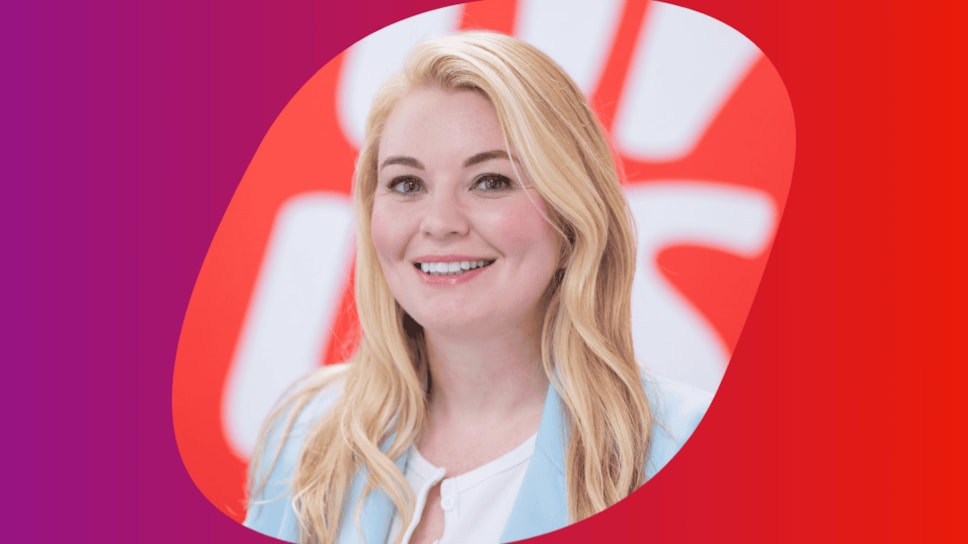
Flexible working in action and how Charlee is shaping E.ON’s approach to modern work
Flexibility isn’t just something we offer, it’s something our people bring to life every day.
A recent case study by Five Hour Club highlights how this approach is making a real difference for colleagues like Charlee, an ER Policy Specialist with nearly two decades at E.ON.
After returning from maternity leave in 2020, Charlee gradually redesigned her working pattern to better balance her role and family life. Starting with three days a week, she now works four days, Tuesday to Thursday from 9am to 3pm, and Fridays from 8am to 4pm, which is a structure that supports both her career and her responsibilities as a parent.
Alongside her role, Charlee also co-chairs E.ON’s Working Families Network, a community of around 800 colleagues. Through this work, she helps influence how the organisation approaches flexibility, ensuring it reflects the real needs of employees.Building flexibility that works
As highlighted in the Five Hour Club case study, success comes down to three key principles: predictability, trust and belonging.
A consistent schedule has been essential. Knowing what each week looks like allows Charlee to plan with confidence.
Equally important is trust. E.ON’s outcome-focused approach means Charlee is measured on what she delivers, rather than the hours she works. This gives her the autonomy to manage her time effectively, while maintaining high performance. Open conversations with her manager ensure priorities stay aligned if capacity ever becomes a concern.

Belonging also plays a crucial role. By embedding flexibility into the culture, E.ON ensures that working non-standard hours is normalised — not exceptional.
Making it work in practice
The case study also highlights some of the practical ways Charlee makes her schedule effective:
• Taking a 20-minute mid-morning break instead of a traditional lunch
• Setting clear expectations through her email signature and calendar
• Using remote working to align her hours with school schedules
• Planning ahead by reviewing her calendar the night before
These small but intentional habits help her stay productive while maintaining clear boundaries.
Navigating the challenges
Flexible working isn’t without its challenges. Meetings can occasionally fall outside core hours, requiring careful planning or additional support. Staying visible and connected with colleagues also demands more deliberate communication.
There are also moments where boundaries feel stretched, particularly when transitioning quickly from focused work into family responsibilities. Recognising and managing these pressures is an ongoing part of making flexibility sustainable.
A culture that puts people first
For Charlee, the support she receives reflects a wider cultural mindset at E.ON:
“My manager always says we’re human beings, not human doings. Family comes first. That’s the culture we’ve built and it makes everything else possible.”
This people-first approach underpins how flexibility is embedded across the organisation, enabling employees to perform at their best without compromising their personal lives.
Advice for others
Charlee’s advice, echoed in the Five Hour Club feature, is simple.
For parents and carers, being clear about needs from the outset is key: set boundaries early and revisit them as needed.

For employers, the message is to focus on outcomes, not hours. By creating an environment where conversations about flexibility happen naturally, organisations can unlock better results for both their people and the business.
You can read more about Charlee’s case study on the Five Hour Club website and explore how E.ON is supporting flexible working across our workforce at E.ON in our Powering Belonging 2025 inclusion report.