
Menopause, culture and finding support at work
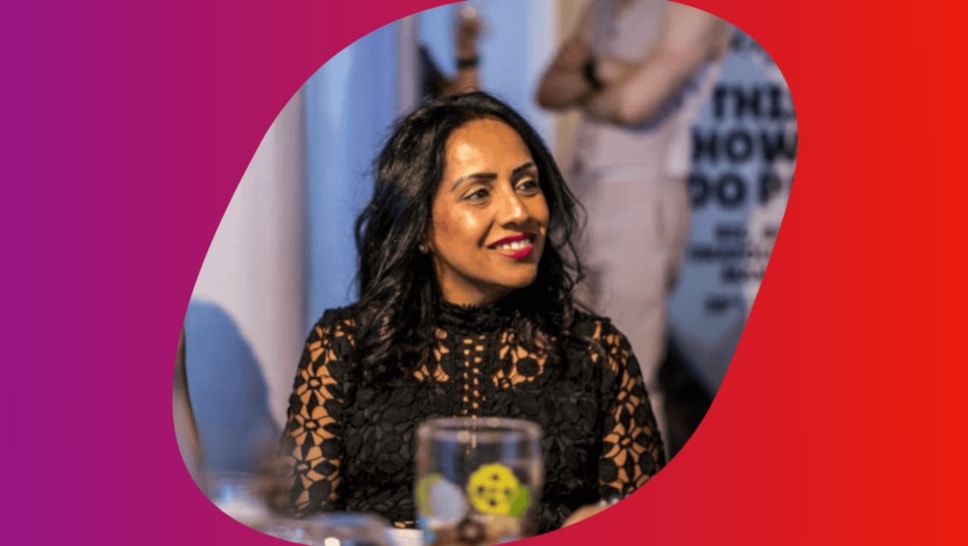
This Menopause Awareness Month, we are sharing colleagues’ personal stories to open up conversations about menopause at work. First, Early Careers Talent Expert Bal Atwal reflects on culture, support and her own experience.
I am an Early Careers Talent Expert at E.ON, leading programmes that help young people move from education into work. My role covers attracting apprentices and supporting their development once they join us. It is work I care about because people need to feel supported and able to grow.
As a British Indian woman approaching 50, menopause has become an important part of my life. Like many women, I did not know what to expect. Some symptoms surprised me, and I had not appreciated how much they could affect everyday life and work. It has been a period of learning, adapting and being kinder to myself.
Growing up in a South Asian family, menopause was not openly discussed, so I entered this stage with little understanding of what might happen. Looking back, I realise why these conversations matter, so women feel informed and supported rather than isolated.
At work, one challenge was that many symptoms were invisible. There were times when I experienced brain fog, struggled to concentrate, felt unusually tired or noticed my confidence wavering. As someone organised and used to juggling priorities, it was frustrating when straightforward tasks required more effort.
Poor sleep affected my energy, especially during busy periods. I found myself carrying on as normal, even when I was not feeling like myself. From a cultural perspective, there can also be pressure to keep going, look after everyone else and not focus on your own needs.
The turning point came when I realised I was trying to power through rather than acknowledge what I was experiencing. I spend a lot of time supporting others, but had not been giving myself the same care. Talking to other women helped me realise I was not alone, and that asking for support was a positive step towards protecting my wellbeing.
The biggest difference came from open conversations and being in an environment where people wanted to understand. Being able to talk without fear of judgement was incredibly valuable. Flexibility, understanding from colleagues and managers, and access to information all helped.
It was not one specific adjustment that changed everything. It was knowing support was available and that menopause was being treated as a normal conversation, not something women should hide.
Working in a supportive environment removes unnecessary pressure. It means I can focus on doing my job well rather than worrying about how others might perceive me. Knowing wellbeing is taken seriously has helped me maintain confidence when symptoms might have made me doubt myself.
It has also reinforced that menopause is a natural stage of life, not something that should hold women back from progressing or making valuable contributions. For someone who did not grow up seeing menopause discussed openly, being part of a workplace where these conversations are encouraged has been empowering.
My advice to colleagues experiencing menopause is simple: do not suffer in silence. Everyone’s experience is different, but talking to someone you trust, seeking information and asking for support can make a huge difference. Be kind to yourself and remember menopause is not a personal failing.
For managers, my advice is to listen without assumptions. Create a safe, confidential space where people can talk openly. Recognise that some women may find these conversations harder because of cultural beliefs or personal circumstances. You do not need all the answers; simply acknowledging someone’s experience and asking how you can help can make an enormous difference.
Most importantly, experienced women bring huge value to organisations. By supporting women through menopause, employers help them continue to thrive, contribute and bring their best selves to work.