
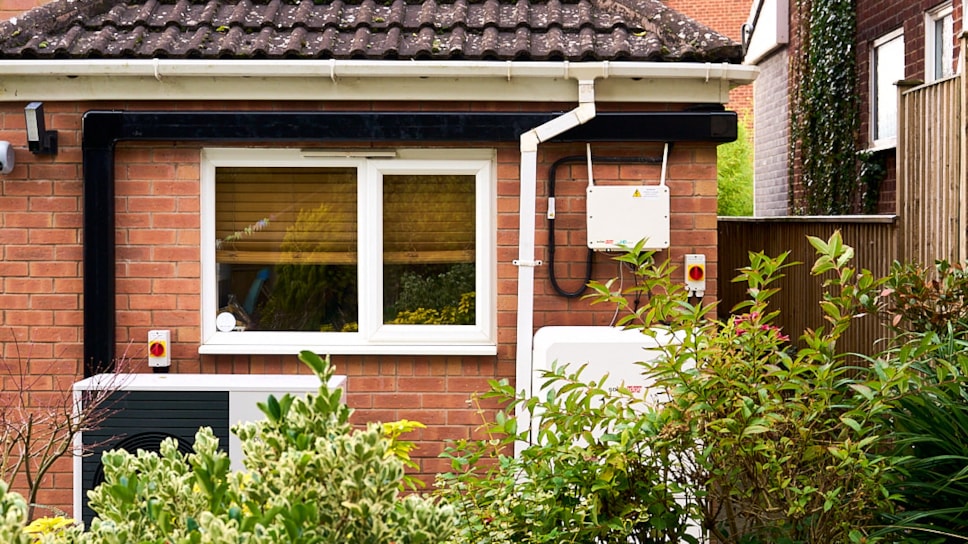
Easier, simpler, more affordable: How home batteries can radically change our relationship with energy
Davide Turi from our innovation team tells the Future of Utilities podcast how the energy transition must make things easier rather than more complicated for customers: “they should not have to become energy experts”.
“Standalone batteries are one of the easiest and fastest way to participate in the benefits of the energy transition. Unlike other low carbon technologies, there is no roof work, no scaffolding, no changes to heating. It can take as little as half a day to install. There are no major changes you have to do to your systems at home, and you start saving from the day after.”
What if your home could do more than simply use energy? What if it could store it, shift it to cheaper times of day, help take pressure off the grid and lower your bills in the process? That is the promise of new energy: not a choice between clean and affordable, but a smarter system that empowers customers, cuts costs and helps build a cleaner, more resilient future.
Speaking on the Future of Utilities podcast, Davide Turi, Flexibility Innovation Lead at E.ON Next, shared the role batteries could play in making energy more flexible, more affordable and more useful for households.

For Davide, batteries are not just another low-carbon technology. They are one of the simplest ways households can become an active part of the energy system, helping to balance demand while generating savings at home. They also show how E.ON is changing people’s relationship with energy: giving customers more control of the energy they use, helping them with lower bills and turning the energy they consume into an asset.
“We believe batteries are the easiest and fastest way to help more homes become an active part of the energy grid and also generate savings, both for the energy system and for households that are hosting batteries,” Davide said.
The idea is relatively simple. A battery charges when electricity is cheaper at off-peak times, or when there is more renewable energy available on the grid, then it can discharge that stored power when demand – and often prices – are higher. That means customers can use energy in a smarter way without having to constantly think about when to use appliances, as the system does the thinking for them.
At both a local and national level, having a fleet of batteries in homes delivers huge benefits, meaning the grid can manage demand better. By reducing the pressure on local networks we can potentially avoid costly network upgrades and also reduce the need to call on standby generation (usually gas fired power stations) to meet increasing demand at peak times, often at short notice.
This matters more because of the ways the energy system is changing. More homes are expected to move away from gas boilers, more drivers are switching to electric vehicles, and electricity demand is set to grow. If the transition is to work for everyone, the system needs to be cleaner, more flexible and designed around customers’ lives.
“What you can do with batteries is spread demand away from peak times,” said Davide. For customers, that could mean charging a battery at night on a smart tariff, then using that energy in the evening when electricity is more expensive.
That is where the idea of changing people’s relationship with energy becomes more tangible. Through innovative products and services, delivered as part of a connected customer journey, households and small businesses can take greater control of their energy use, lower their bills and turn the energy they consume into an asset.
E.ON is already testing this in practice through domestic battery projects designed to understand how the technology can support customers and the wider energy system. This includes looking at how optimised batteries can work alongside smart tariffs, help ease pressure on constrained local networks and support households who may be struggling with their energy bills
Early results point to clear customer benefits. Households taking part in battery projects around the country are already saving around £250 a year by aligning a home battery with a time-of-use tariff, while work in constrained network areas has shown guaranteed savings of up to £480 a year for participating customers.
Importantly, this work is also part of a broader conversation about fairness. For customers in fuel poverty, home batteries could help reduce bills and make it easier to use the energy they need with greater confidence.
Looking ahead, homes could become much more active participants in the energy system. Instead of simply consuming power, they could store it, shift it and help balance demand in a way that benefits both customers and the grid.
Davide says: “We see a future where, alongside large-scale batteries, there are also hundreds of thousands of batteries making homes an active part of the energy system, as opposed to passive as we’ve been until today.”
"But for this future to reach the mass market, simplicity will be essential. Customers should not have to become energy experts. The technology needs to work quietly in the background, making life easier rather than more complicated. As one customer told E.ON during the pilots, the real benefit was not the technology itself, but what it allowed them to do: ’I can bake more cakes for my kids… and I can see every month I pay less’.”
That may be the most powerful message of all. The energy transition does not have to feel distant, technical or difficult to access. Done well, it can help households save money, use energy more intelligently and play a role in building a cleaner, more flexible energy system.
It can lower bills, support clean power, create opportunities for local communities and make sure no one is left behind. That is how new energy works – for everyone.
To listen to the full podcast, click here.