
Using data and technology to tackle fuel poverty in Nottingham
Alongside the University of Nottingham’s City as Lab initiative, we’re using data analytics and a live ‘digital twin’ to identify the communities most likely to benefit from innovative energy sharing solutions – ultimately making energy cleaner and more affordable.
“We can actually say ‘here we can do a project that will transform these people's lives, their homes, then reduce their energy and their energy costs.’
“It comes from having that information to start making those decisions, The first step is getting to a position where we can do these things, and we know where we need to do them.
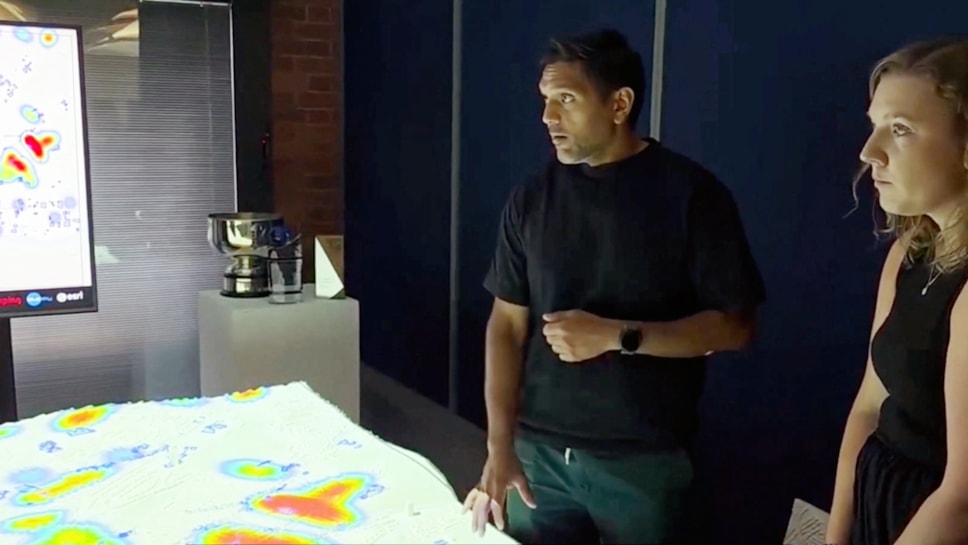
“We're building a digital twin which will give us essentially a 3D model of the built environment and the energy infrastructure that underpins it. And then, with that, we'll hopefully have the data that will support some of the decision making that needs to take place.” Michael Gallagher, Director of Climate Resilience and Green Growth at the East Midlands Combined County Authority, speaking at Futureproof Nottingham.
E.ON is working with the University of Nottingham on the ‘City as Lab’ digital testbed which is designed to bring the fight against fuel poverty into the 21st century – and which is already identifying the communities most likely to benefit from energy sharing solutions that bring together communities to collaborate on generating, storing, and using renewable energy between themselves.
By combining real-time energy data and a 3D city model the project is helping to identify customer need and test solutions for cleaner, greener and more affordable energy.
A digital twin is a live computer-generated version of the city that simulates how energy moves through buildings and streets in real time. This virtual replica can simulate, monitor, and predict performance and consequences in the real world, making decision-making more effective and efficient.
At its heart, City as Lab connects researchers with businesses, policymakers and communities across Nottingham to explore how to make energy fairer and more affordable for all. Using 3D modelling and advanced data analytics that spots patterns across wider areas – like which homes lose heat fastest, or which rooftops get the most sun – the team can pinpoint where clusters of households may be struggling with energy costs and highlight areas where new solutions such as energy sharing and microgrids could make a real difference.
To do this, the project draws on a wide range of information including E.ON’s Propsol database.
PropSol pulls more than 30 million rows of data to pinpoint which homes are most vulnerable, calling on building standards data and household income levels to pinpoint the right homes for intervention and highlight where support will have the greatest impact.
And because we’re not relying on national data or slow‑moving surveys, live information and local modelling make it easier to target solutions faster and more accurately.
Jon Sweeney, Data Analytics Reporting Lead at E.ON, says: “By combining fuel poverty data with modelling of suitable commercial rooftops, we can demonstrate how an energy sharing microgrid could connect eligible business sites with nearby homes to help reduce carbon emissions and make energy more affordable for vulnerable residents. This project, which brings analysis to life through 3D modelling, is a powerful example of how data can inform smarter low carbon decisions for communities.”
The ultimate aim of projects like these is to improve people’s lives, whether that is through lower bills, warmer homes, reduced carbon emissions and cleaner air in our cities, or more resilient sources of energy across communities.

Initial findings from E.ON’s Data and Analytics team have highlighted The Meadows and Sneinton as communities with a higher concentration of households in fuel poverty, with Bilborough and Clifton also being investigated.
The next phase will look at commercial and public buildings, such as schools and leisure centres where solar power may be viable to support energy sharing microgrids – small, local energy networks that lets communities produce and share electricity, meaning power generated on one rooftop can benefit others across the area.
Michael Gallagher adds: “It’s how we manage the options that are available and how we manage that for different areas which will benefit from different combinations of those technologies.
“The big, exciting stuff can be funding billions of pounds of funding in creating jobs and economic growth, which is so key. But it's also about making sure that we don't forget about those equally important things that make that genuine day-to-day impact on people's lives.”
This collaboration offers a blueprint that could help cities across the UK to tackle fuel poverty through technology, data, and partnerships. Beyond supporting communities in Nottingham, it could also set the stage for fairer and greener energy outcomes across the country. It is a key example of how collaboration matters more than ever in building smarter more sustainable cities.
Elsewhere in the country, in a first of its kind pilot in East London, E.ON is already demonstrating this approach with an energy sharing project that generates solar energy from a primary school which is shared with nearby homes, making cleaner power more affordable and accessible to the nearby community.