
Top class: how a modern approach is producing remarkable energy savings at historic university venue
How an innovative building management system is transforming Glasgow University’s historic Bute Hall’s energy efficiency.
85%. No, it’s not a passing grade for final university examinations, it’s the outstanding reduction in energy use and operational costs seen by Bute Hall, the grand ceremonial hall at the heart of the University of Glasgow.
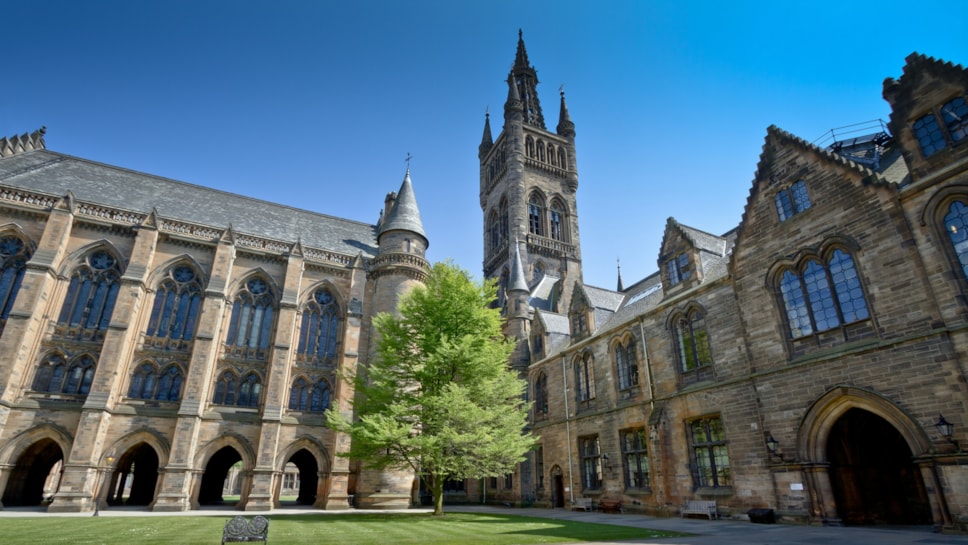
Bute Hall was designed by Sir George Gilbert Scott and completed in the 1880s. It is renowned for its Gothic Revival architecture, stunning vaulted ceiling, stained glass windows, and ornate pillars. Today it serves as the university’s graduation hall and hosts events such as examinations, church services and public lectures.
But as you’d expect, 140 years of history bring with it significant operational challenges – especially when it comes to energy efficiency and environmental control.
That’s where E.ON Control Solutions (ECS) and its cutting-edge Building Management System (BMS) expertise comes in. ECS works with literally thousands of business sites around Europe to optimise their energy efficiency, reduce operational costs and minimise environmental impact. It empowers facilities and buildings managers to unlock new standards of energy efficiency and operational performance. Which is just what happened at Bute Hall.
Bute Hall has undergone a remarkable transformation, setting a new benchmark for energy efficiency and sustainability within historic venues.
By adopting and managing advanced, BMS technology, the hall has seen an outstanding 85% reduction in energy use and operational costs, alongside an impressive 83% cut in CO2 emissions.
In real terms the results speak for themselves: energy savings of more than 13,000 kW a year and savings exceeding £3,200 – alongside carbon reductions of 2.67 tonnes.
These extraordinary improvements not only bolster the university’s ambitions towards a more sustainable future but also ensure that Bute Hall’s unique heritage is preserved for generations to come.

How?
At Bute Hall the ventilation system included two air handling units which ran on a fixed schedule and speed. That means they were effectively running 12 hours a day, seven days a week, regardless of whether the building was being used.
This approach led to unnecessary energy consumption, operational inefficiencies and excess costs. There’s a fair amount of money to save when energy accounts for such a substantial portion of a building’s running costs.
Working with the university and CBRE, E.ON Control Solutions installed a demand-driven BMS incorporating occupancy sensors, people counters, and CO2 sensors.
These new intelligent controls adjust the heating and ventilation systems based on real-time occupancy, people count, and air quality data.
The system operates 24/7, automatically ramping up or down to suit the hall’s needs and the events it’s hosting, keeping the building at the heart of university life while avoiding unnecessary energy usage. Today 60-80% of the annual energy spend is controllable through the new building energy management system.
These control systems identify and eliminate inefficiencies in building performance to improve sustainability, reduce energy costs and minimise operational expenditure.
Our building management engineers work with more than 5,500 business sites from (further north than) John O’Groats to (almost) Land’s End – buildings which are remotely managed from our Energy Management Centre (EMC) in Glasgow.
The EMC and its expert team use the power of data, knowledge and experience to ensure each building is controlled, managed, and efficiently run, ensuring the balance between operations and energy efficiency.