
How heat networks work: Inside London’s Citigen energy network
As cities look for ways to reduce carbon emissions and improve energy efficiency, heat networks are becoming an increasingly important solution. Instead of every building running its own boiler, heat networks supply heating, and increasingly cooling, from a central energy plant to multiple buildings through a system of underground pipes. We invited the Climate Centre to visit our energy centre in the heart of the Square Mile to learn more.
One of the most established examples of this approach in the UK is E.ON’s City of London energy network, anchored on the Citigen energy centre which provides heating, cooling and electricity to buildings across the Square Mile.
What is a heat network?
A heat network (also called district heating) works a bit like central heating for a whole building or an entire neighbourhood. The heat and cooling energy is produced in a central energy centre and distributed through insulated pipes to homes, offices and public buildings.
Heat networks generally include four main components:
- Energy centre – where heat and cooling is generated using technologies such as boilers, combined heat and power engines, or heat pumps, even geothermal energy sources from under the ground
- Distribution network – insulated pipes that transport hot water from the energy centre to customer buildings. These are mostly underground
- Building substations – systems that transfer heat from the network to the building
- Control and metering systems – equipment that manages and measures energy use
Because the heat is generated centrally, the system can be more efficient than having thousands of individual heating systems. It also means upgrading the heating technology is simpler – change one thing and hundreds, possibly thousands, of customers benefit.
The Citigen energy network
Beneath the streets of the City of London is a district energy system operating since the early 1990s. Citigen has been around much longer though, behind its Listed building facades, it started life as a coal-fired power station in 1893, becoming an oil then gas-fired power station, before embarking on its new renewable life today as a the heart of an energy network housing geothermal energy sources and heat pumps.
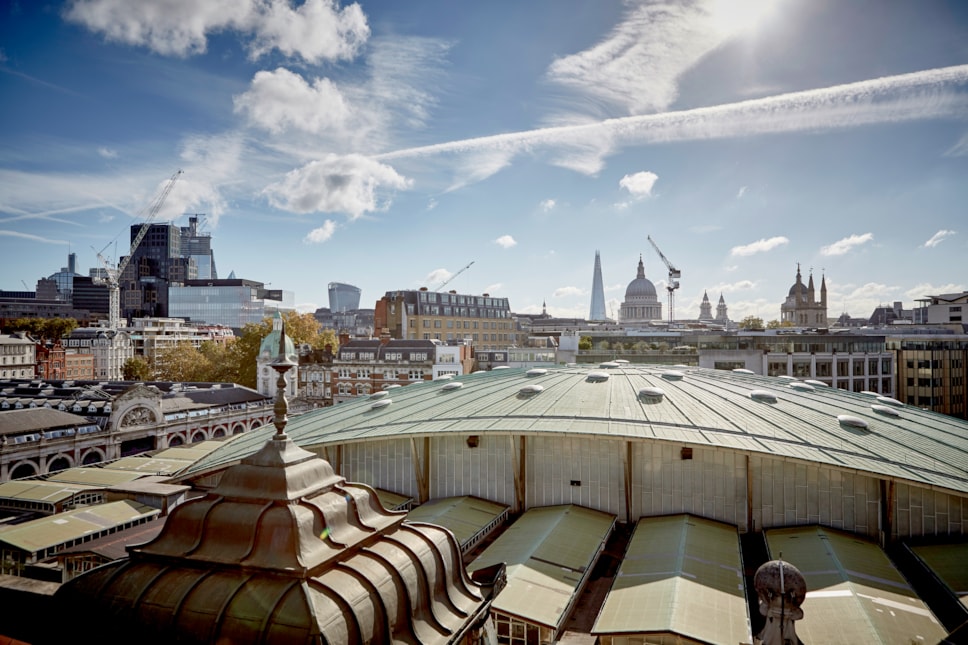
Located near Smithfield Market, Citigen distributes heat and cooling to buildings through more than 10 kilometres of underground pipework snaking around the City. The geothermal boreholes deep underground run 200m straight down into the London Aquifer - which is as deep as Canary Wharf tower is high! These boreholes take the natural heat of the Earth which can be used in the historic buildings connected to the network such as the Barbican Centre and the Guildhall, new offices like TikTok and Snapchat, as well as residential properties throughout the area.
Moving towards lower-carbon heating and cooling
Like many district energy systems, Citigen is evolving as cities transition toward lower-carbon energy systems.
Heat networks will play a major role in the future of urban energy systems. By centralising heat production, they make it easier to incorporate renewable energy sources, capture waste heat and upgrade infrastructure over time.
In dense cities like London, district energy systems can provide a more efficient alternative to thousands of individual heating systems. Heat networks like Citigen currently meet just 2% of the UK’s heating needs, but there are ambitions to boost that to 20% by 2030.
Citigen demonstrates how this approach works in practice – providing heating, cooling and power to buildings across the City of London from a single energy centre beneath the streets.
As cities work toward net-zero targets, systems like Citigen show how shared energy infrastructure can help reduce emissions while keeping urban environments comfortable and functional.
End